The lab of Keisuke Ishihara, assistant professor of computational and systems biology, School of Medicine, University of Pittsburgh, announced Oct. 14 that it has been selected as a recipient of the Google.org Impact Challenge: AI for Science.
Menu
The lab of Keisuke Ishihara, assistant professor of computational and systems biology, School of Medicine, University of Pittsburgh, announced Oct. 14 that it has been selected as a recipient of the Google.org Impact Challenge: AI for Science.
The CPCB 20th Anniversary Research Symposium was held on Aug. 20 and 21. This event celebrated two decades of excellence in training and discovery for the Joint Carnegie Mellon University – University of Pittsburgh PhD Program in Computational Biology (CPCB).
Assistant Professor Nate Lord has been awarded a grant from the National Science Foundation’s Faculty Early Career Development Program (CAREER).
The Department of Computational and Systems Biology (CSB) hosted its annual retreat at the Kamin Science Center on May 7.
The University of Pittsburgh School of Medicine’s Department of Computational and Systems Biology (CSB) has a new home! CSB will relocate to the top floor of a newly constructed 10-story building on Fifth Avenue and Halket Street.
The Gur lab has published a new article in JACS Au, a journal of the American Chemical Society, that sheds light on how a promising class of cancer-fighting molecules works at the atomic level.
PhD student Sophia Hu and Professor Jianhua Xing’s lab have developed a computational method to demystify what happens when cells go through epithelial-to-mesenchymal transition (EMT).
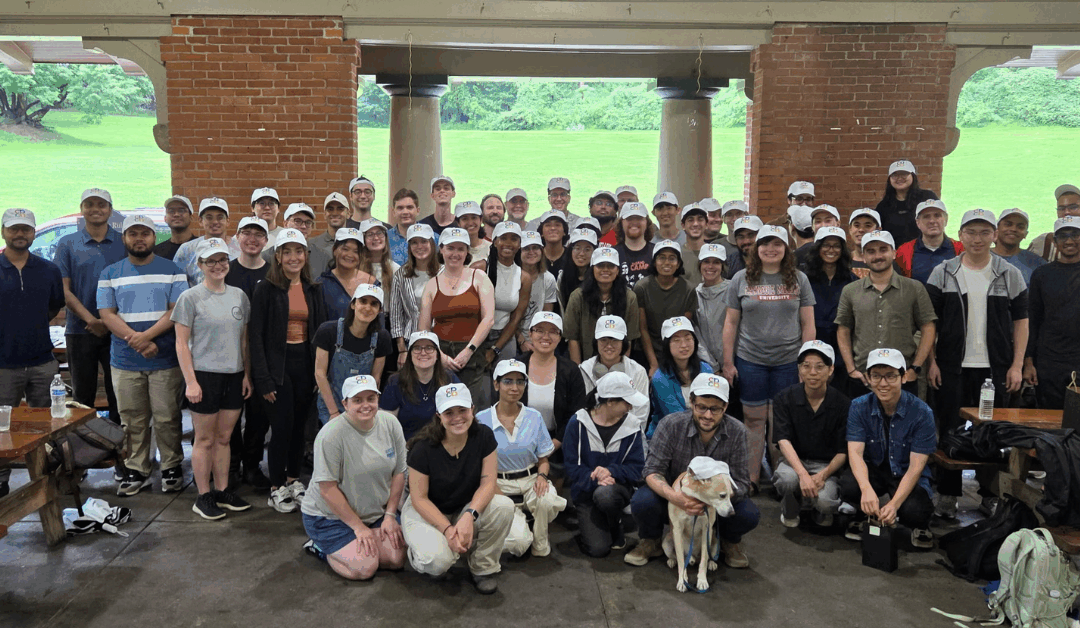
Donating a little bit of time can make a big impact. On Nov. 21, members of the Department of Computational and Systems Biology (CSB) spent the day volunteering at Cribs for Kids.
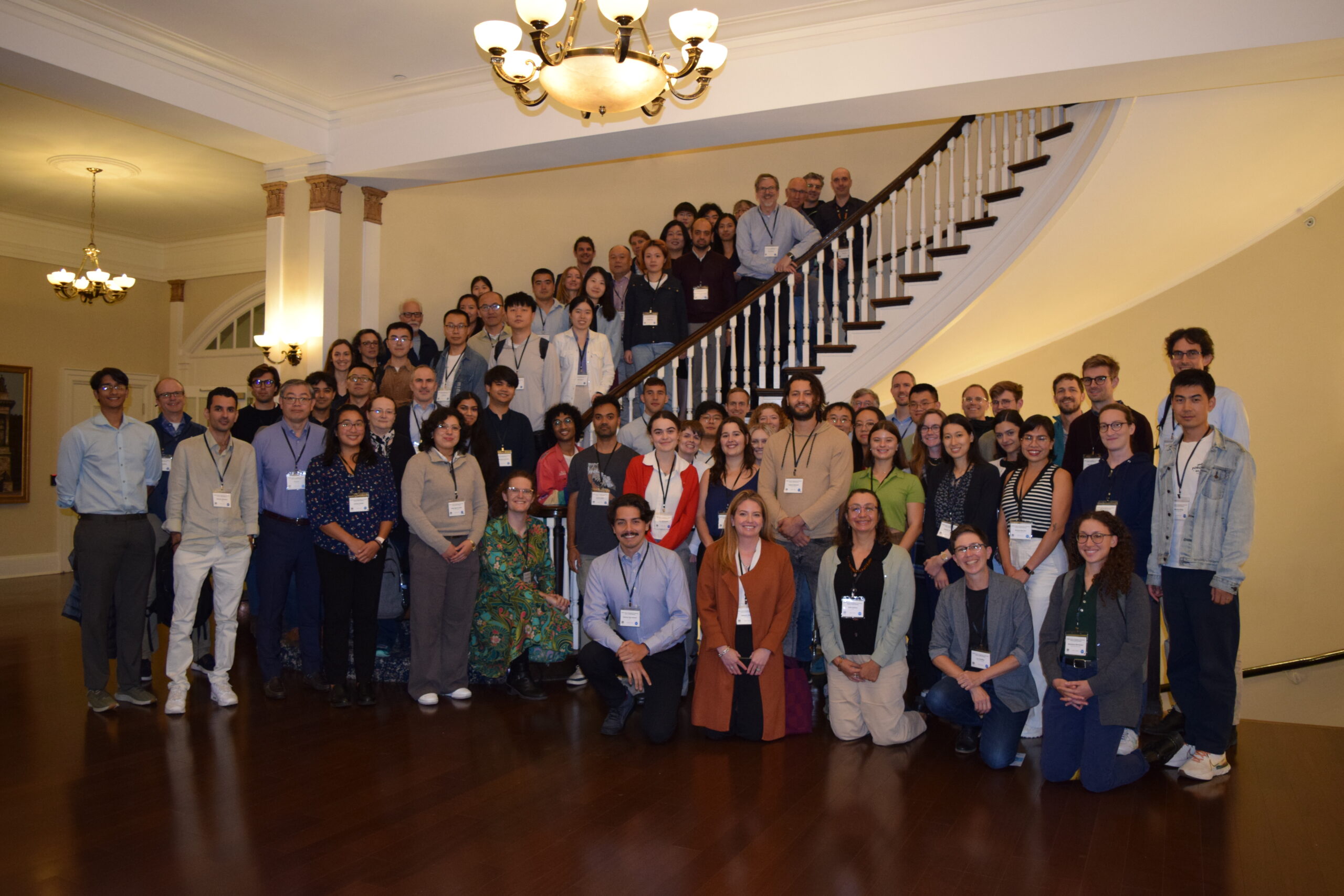
The University of Pittsburgh Department of Computational and Systems Biology welcomed leading genomics researchers from across the country to Pitt’s University Club on Oct. 7–8 for the 2025 Centers of Excellence in Genomic Science (CEGS) Annual Meeting.
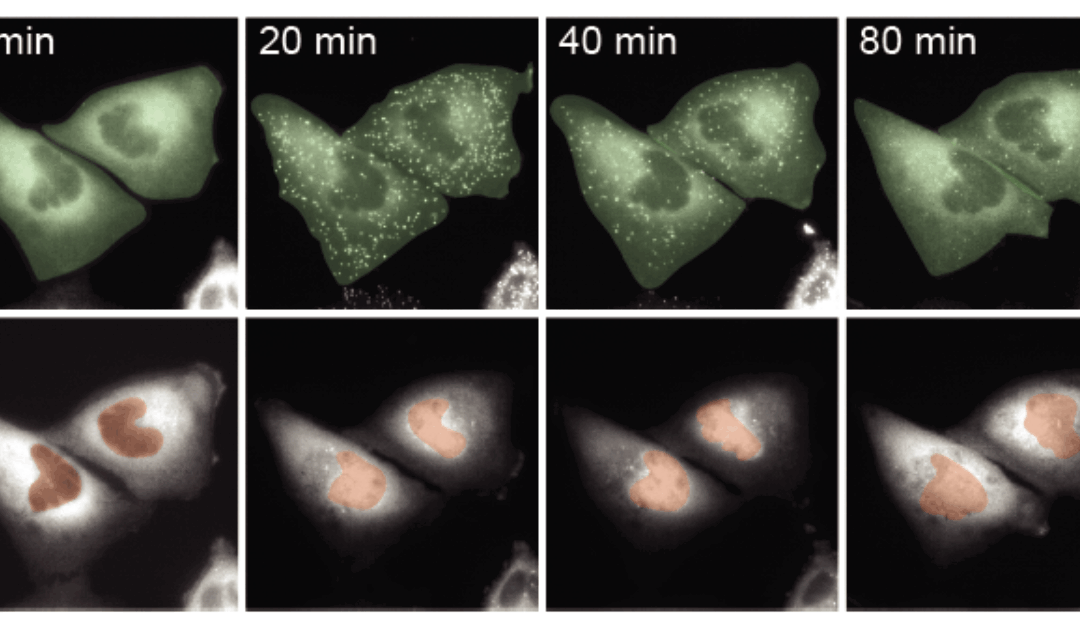
In the complex world inside our bodies, timing can be everything. A new study from Steven Smeal and Robin E.C. Lee reveals the timing of molecular signals can change how cells respond to their environment, with potential implications for cancer treatment and drug discovery.