

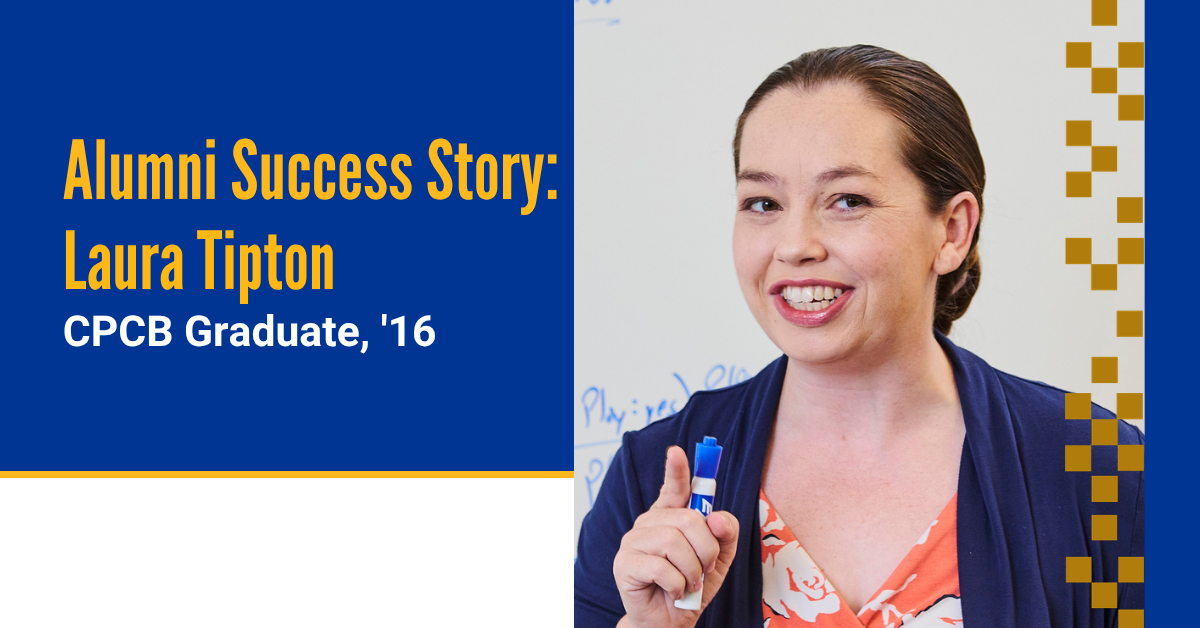
After studying statistics as an undergraduate, Laura Tipton realized that she wanted to ask her own research questions. This led her on a path to earning her PhD from the Joint Carnegie Mellon-University of Pittsburgh PhD Program in Computational Biology (CPCB). Now, the 2016 CPCB graduate is an assistant professor of environmental data science at James Madison University, where she pursues the research questions of her choice in her biology lab.
Bridging the gap between biology and data science
Environmental data science is the application of data science to environmental problems. This gives Tipton the unique opportunity to teach both biology and statistics, combining her two passions.
“This is such a transdisciplinary field,” she said. “You need to be the bridge between data scientists and biologists, and no matter which group you’re talking with, you bring something to the table that no one else in the room has.”
After completing her PhD, Tipton began a postdoctoral position at the University of Hawai`i in botany. This experience gave her a greater understanding of living fungal systems, and it informs her current research. Tipton’s research focuses on microbiomes, which are the community of bacteria, fungi, and all microorganisms in a living environment.
She is currently studying fermented foods like kombucha, the facial microbiome, and the vaginal microbiome. One project she is exploring is how the skincare products that we apply to our faces affect bacteria and fungi. Tipton’s data science background comes into play by plotting and sharing information from these ecological studies in a manner that is easy to understand.
The path to a PhD in computational biology
Earning her PhD from the CPCB program gave Tipton skills that she still uses in her research today. The program appealed to her because of its interdisciplinary nature. She completed her master’s degree in statistics from George Washington University, so she wanted to strengthen her knowledge of biology.
“I definitely came through the computational side of computational biology,” Tipton said. “The CMU-Pitt program accepted people that didn’t necessarily have a biology background, so I liked knowing that there were going to be people like me who came from the computational side.”
During her time as a CPCB student, Tipton was able to customize her studies to suit her goals. She learned sequencing technology, machine learning, and modeling techniques. She says this experience helped her land her first faculty position in data science.
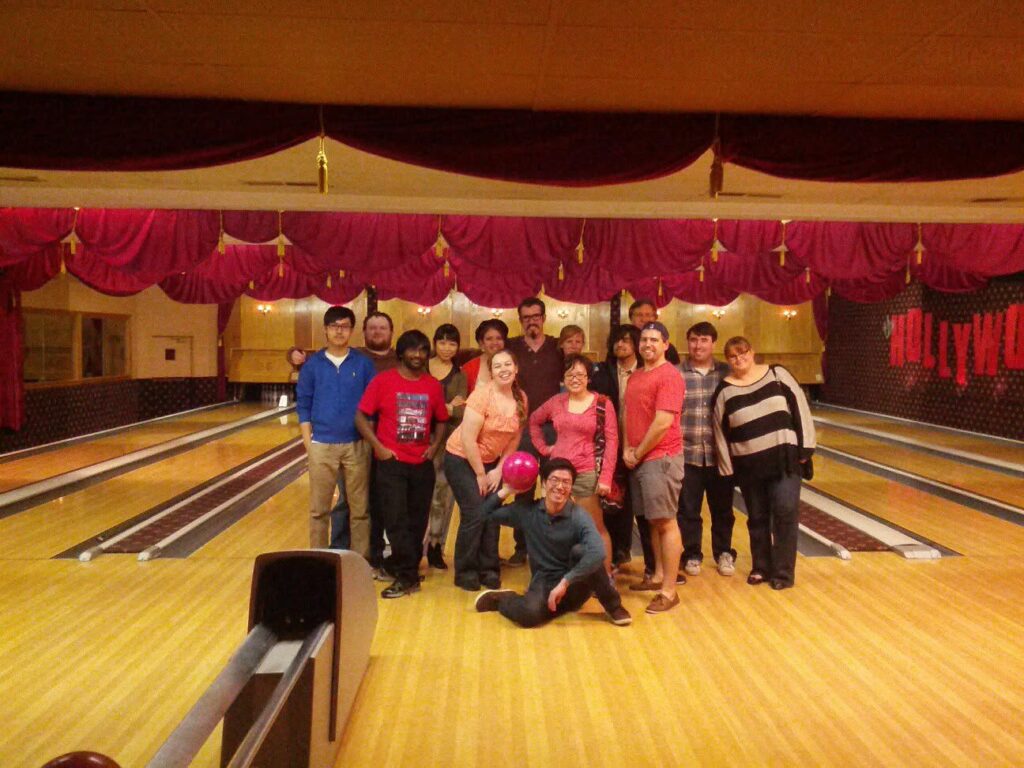
In addition to her studies, one of Tipton’s favorite experiences from the CPCB program was the annual retreat. She spent the first two years of her PhD program living in Pittsburgh and then moved to New York City when her lab was transferred there, so the retreat allowed her to build a sense of community.
“Knowing that I had those people back in Pittsburgh who were a couple years ahead of me in the program and could offer advice made a big difference,” she said.
Giving back through mentorship
Tipton learned from the mentors that helped her along the way, and now she has the chance to be a mentor for others.
She teaches several courses, including statistics and biometrics. This year, she also has both undergraduate and graduate student mentees. She is looking forward to guiding one of the undergraduate students through the process of writing her capstone honors thesis on prebiotic skincare. She hopes the methodology can be applied to future projects that other students can build on.
“I’m super excited about it,” Tipton said. “One of the things that I like about working for an R2 school is that I can do both research and teaching, and that combination is really fulfilling.”